

Electric cars are no longer a curiosity in Singapore. In the first three months of 2025, four in every ten new cars registered there were electric, and BYD was the best-selling make of the year. So if you’re leaving, there’s a fair chance the car on your driveway has a plug.
The good news is that almost everything about bringing it to the UK works exactly as it does for a petrol car. Here’s what’s the same, and the one or two things that aren’t.
The plugs already match
This is the question we get first, and it’s the easy one. Public chargers in Singapore have to offer Type 2 for AC charging and CCS2 (also called Combo 2) for rapid DC charging. Those are the same two connectors used across the UK.
So a car built for the Singapore market will plug into a UK home charger and a UK rapid charger without an adaptor. If yours came with a home wallbox, leave it behind; it’s wired for the building, and a UK installer will fit one for your new address.
How it travels
This is the real difference. At sea, an electric car is classed as a dangerous good under the international shipping code, because of its lithium battery. It still travels in a container like any other car, but it’s declared as such, and the shipping line sets rules for how charged the battery can be when it’s loaded.
What that means for you:
- Check the charge level before collection. We’ll tell you the level the shipping line wants for your sailing, so you can plan your last week of driving around it.
- Tell us it’s electric on the quote form. Put the model in, and if it’s a plug-in hybrid rather than fully electric, say so in the message box. It changes how the booking is made.
- Leave the charging cable in the car. You’ll want it the day it lands.
The voyage itself takes the same 4 to 8 weeks as any other car from Singapore.
Tax: no special rate
There’s no separate duty or VAT rate for electric cars. Import duty is 10% of the car’s value and VAT is 20% of the value, shipping and duty together, exactly as for petrol. If you’re moving home and qualify for Transfer of Residence relief, an electric car comes in without duty or VAT just the same.
The calculator works it out, and the ToR checker tells you whether your dates qualify.
Testing and registration
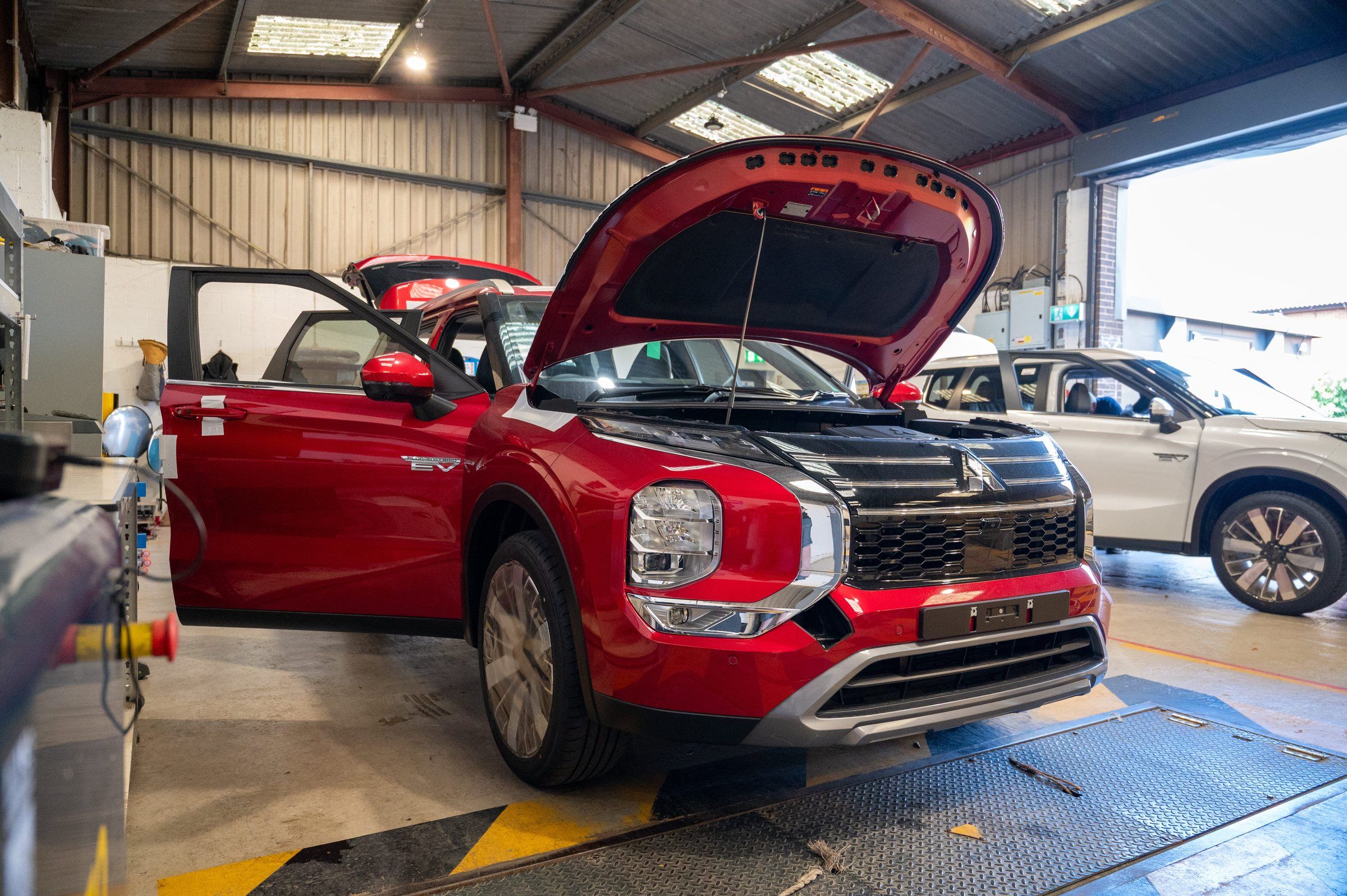
An electric car takes the same route as any other car of its age. Under ten years old, which most Singapore EVs will be, it needs an IVA test to be registered here. Like everything else from Singapore it’s right-hand drive and built for driving on the left, so the headlights already dip the right way. The speedometer has to show miles per hour. On a car with a digital display that can be a setting rather than a part to change, and we check which applies to yours when it arrives.
Once it’s through, it’s registered with the DVLA the same way, usually within 10 working days.
The Singapore end is the same too
Deregistering an electric car works like deregistering any other. If it’s under ten years old, which most are, the PARF rebate is still due when it’s exported, and the COE rebate depends on the time left on the COE. As with any car, check your own figures on OneMotoring before you decide. COE, ARF and PARF explained covers how both rebates work, including the lower PARF rates for cars on COEs from February 2026.
Doing the sums
The sums are the same as for petrol: what the car is worth here, what it costs to bring, and what you’d get for selling or deregistering it there. The ship or sell guide walks through them.
If you’d like us to look at yours, put the make and model on the quote form and we’ll come back with a written quote that covers the shipping rules for your sailing.